How to Store Fresh Sausage Safely
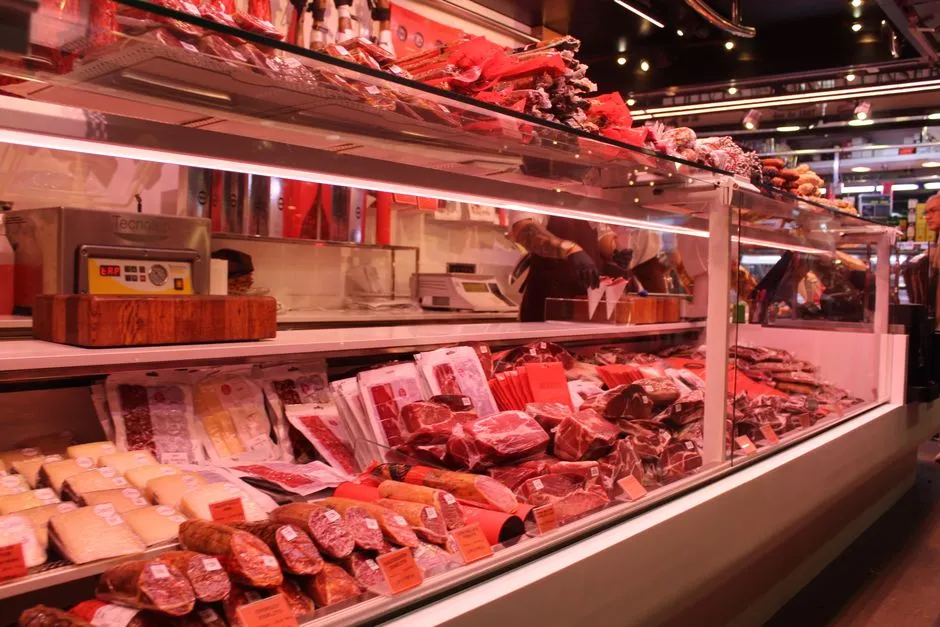
- Give raw sausage a short, labelled life
- Refrigerate raw sausage for only 1 to 2 days
- Count the window conservatively
- Freeze raw sausage for best quality within 1 to 2 months
- Freeze flat when the sausage is in bulk
- Thaw in the refrigerator when possible
- Use cold water only in leakproof packaging
- Microwave thawing also means immediate cooking
- Never thaw raw sausage on the counter
- Store cooked fresh sausage for 3 to 4 days
- Freeze cooked sausage in meal-size portions
- Transport sausage with temperature control
- Keep a freezer record simple enough to use
- Fresh means perishable
Give raw sausage a short, labelled life
Fresh sausage is not cured sausage with a more relaxed personality. It is raw ground meat, even when it contains salt, sage, garlic, smoke flavour, or a family story about how long it used to sit in a cool pantry. It needs refrigeration, a short timetable, and a freezer plan.
USDA's current sausage chart gives fresh uncooked sausage 1 to 2 days in the refrigerator, whether the package is opened or unopened. The refrigerator should hold 40°F (4°C) or below. If cooking will not happen inside that window, freeze the sausage promptly.
Refrigerate raw sausage for only 1 to 2 days
Keep purchased sausage in its intact original wrap until use if the package is sound. Put it on a plate or in a leakproof container on the lowest practical refrigerator shelf so raw juices cannot drip onto ready-to-eat food.
For homemade sausage, transfer links, patties, or bulk mixture into a clean food-safe container or wrap it tightly. Add the product name and preparation date. Do not rely on remembering whether “Tuesday sausage” means made Tuesday, planned for Tuesday, or emotionally associated with Tuesday.
Use or freeze it within 1 to 2 days. A sell-by date guides store inventory; it does not override safe home storage after purchase. If a manufacturer provides a use-by date, follow it, while also maintaining safe temperature and handling.
Count the window conservatively
The official range is short because grinding distributes any surface contamination throughout the meat. Your refrigerator slows bacterial growth; it does not stop time.
When homemade sausage is mixed on Monday, treat Monday as the start. When a retail package has already spent time in your refrigerator, opening it does not reset the clock. If you cannot establish when raw sausage was prepared, purchased, or thawed, do not invent a reassuring date.
Smell and appearance can reveal spoilage, but they cannot prove safety. Harmful bacteria may be present without a dramatic odor, while herbs can make even an aging link smell vigorously intentional. When safe time or temperature limits have been missed, discard the sausage.
Freeze raw sausage for best quality within 1 to 2 months
FoodSafety.gov lists 1 to 2 months as the freezer quality window for raw sausage stored at 0°F (-18°C) or below. Food kept continuously frozen at that temperature remains safe indefinitely, but flavour and texture decline with time.
Package in portions you will cook together. For patties or links that should separate, arrange them on a lined tray and freeze until firm, usually 1 to 2 hours, then transfer to final packaging. Do not leave raw sausage uncovered in the freezer longer than needed to firm it.
Wrap tightly in freezer paper, heavy freezer bags, or another freezer-rated airtight system. Press out excess air without crushing links. Vacuum-seal only with equipment and bags intended for food, following the machine instructions. Label the meat type, raw status, quantity, and freeze date.
Freeze flat when the sausage is in bulk
Place bulk sausage in a freezer bag and press it into an even slab about 1/2 to 1 inch thick before sealing. A flat package stacks well and thaws more evenly than a dense meat boulder. Mark portion lines on the outside only if the packaging method remains airtight.
Do not repeatedly open a frozen package to remove a little raw sausage. Make smaller packages at the start. Each package should match a realistic meal, not an imagined festival where sixteen people arrive for breakfast without warning.
Our 1-kilo breakfast sausage recipe makes 12 patties; freezing them with separators in groups of four creates three manageable portions.
Thaw in the refrigerator when possible
Place the frozen package on a tray in the refrigerator, still separated from ready-to-eat food. Small flat portions may thaw overnight; thick packages take longer. Because timing varies, check the center rather than promising a universal number of hours.
Once refrigerator-thawed, keep the sausage within the same 1-to-2-day raw refrigerator window. Cook it to the correct minimum: 160°F (71.1°C) for ground beef, pork, lamb, or veal sausage, or 165°F (73.9°C) for poultry sausage.
Refrigerator thawing requires planning but gives the most flexibility. USDA says meat and poultry thawed in the refrigerator may be refrozen before or after cooking, although quality can decline.
Use cold water only in leakproof packaging
For faster thawing, submerge a leakproof package in cold water and change the water every 30 minutes. The sealed packaging prevents raw juices from entering the water and keeps the meat from absorbing it.
Cook sausage immediately after cold-water thawing. Do not return it to the refrigerator for an extra day and do not refreeze it raw. If plans change, cook it safely first, cool it promptly, and freeze the cooked sausage.
If the bag leaks, treat the water and sink as contaminated by raw meat. Clean and sanitize affected surfaces and wash hands. A speedy thaw should not become a full-kitchen distribution service for raw pork juice.
Microwave thawing also means immediate cooking
Use the microwave's defrost setting and the manufacturer's instructions. Rotate and separate pieces as they soften. Some areas may begin warming or cooking before others thaw, which is why the sausage must go directly to a cooking method afterward.
Do not microwave-thaw sausage and then leave it on the counter while preparing the rest of dinner. Have the pan, oven, or grill ready first. See how to cook fresh sausage for time ranges and thermometer technique.
Never thaw raw sausage on the counter
Room-temperature thawing allows the exterior to warm while the center remains frozen. Bacteria grow quickly between 40°F and 140°F, the range USDA calls the danger zone. A cold middle does not protect a warm surface.
Hot water is not a shortcut either. Use the refrigerator, cold water, or microwave. These methods are not equally leisurely, but all avoid asking the kitchen counter to perform refrigeration without qualifications.
Store cooked fresh sausage for 3 to 4 days
After cooking, refrigerate sausage within 2 hours, or within 1 hour when the ambient temperature is above 90°F (32.2°C). Use shallow containers when helpful so food cools rapidly. Keep the refrigerator at 40°F or below.
USDA gives fresh sausage cooked at home 3 to 4 refrigerated days. Label the container with the cook date. Reheat leftovers to 165°F (73.9°C), measured in a thick center, and serve promptly.
If cooked sausage sat out beyond the official limit, discard it. Reheating is not a time machine; it does not reliably undo every hazard created by improper holding.
Freeze cooked sausage in meal-size portions
USDA's sausage chart lists 2 to 3 months for best freezer quality for fresh sausage after home cooking. Cool it promptly, package airtight, label it as cooked with the date, and freeze.
Thaw cooked sausage in the refrigerator or use another safe method appropriate to immediate reheating. Add a spoonful of water to a covered skillet or use a moderate oven to reduce drying, then verify 165°F at the center.
Do not confuse home-cooked fresh sausage with commercially fully cooked sausage. USDA lists different refrigerator windows for different product types. Read the package and use the chart entry that actually describes the food.
Transport sausage with temperature control
For shopping, pick up meat near the end of the trip and go home promptly. In warm weather or on a long journey, use an insulated cooler with enough ice or frozen gel packs to keep food at 40°F or below. Do not place raw packages above produce or ready-to-eat items.
When carrying homemade sausage to another kitchen, package it leakproof, keep it cold, and tell the cook the meat type and whether it is raw. A tasteful ribbon cannot communicate “contains raw chicken” as effectively as a label.
For cooked sausage at a gathering, keep hot food at 140°F or above or cold food at 40°F or below. Apply the same 2-hour room-temperature limit, reduced to 1 hour above 90°F.
Keep a freezer record simple enough to use
Write four things on every package:
- What it is.
- Whether it is raw or cooked.
- How many portions it contains.
- The freeze date.
Put newer packages behind older ones and maintain a short freezer list on the door or phone. Quality windows are easier to respect when packages remain identifiable. Frosted mystery cylinders are not a storage strategy.
If links are homemade, note the meat and any important allergen or seasoning information too. Our guide to stuffing fresh sausage explains how to chill and package a newly filled batch promptly.
Fresh means perishable
Ordinary recipe salt and spices season fresh sausage; they do not turn it into cured, dried, fermented, or shelf-stable charcuterie. Never adapt this storage guide to a preservation project. Validated curing and fermentation methods control hazards through exact ingredients, time, temperature, humidity, acidity, and other factors that sit outside this site's fresh-sausage scope.
For ordinary fresh sausage, the memorable version is short: 1 to 2 refrigerated days raw, 3 to 4 days after home cooking, and 165°F for reheated leftovers. Label it, chill it, freeze early, and give the sniff test less authority than it has been demanding.
This article provides general food-preparation information. Follow current government food-safety guidance, product labels, and equipment instructions. For curing, fermenting, drying, preservation smoking, shelf-stable charcuterie, or individual dietary and health needs, use validated specialist guidance or an appropriate qualified professional.